Ten places to sleep in Japan that aren’t hotels
Japan has more than a hundred castles and lets you into almost all of them between nine and five. Exactly two hand you a key overnight. The rest of this list is what Japan offers instead: a temple, a thousand-year-old inn, a lamp-lit ryokan with no electricity, and a former geisha house with a private disco.
Ordered by price, from thirty-five dollars for a sleeping pod inside Narita to the castle keep you take over for one night as the lord of the domain.
If any of these stays interest you, the agents at InterlineTravel.com can get you booked not only at the property (assuming it has availability) but also your rental car and a complete custom tour of Japan. Just call them at 800 766-2911 or email stevec@dynamictravel.com.
Yen-denominated — dollar figures move with the exchange rate
Verified September 2026
-
Narita Airport, Chiba
Inside Narita (NRT) Terminal 2
$35–70 / night
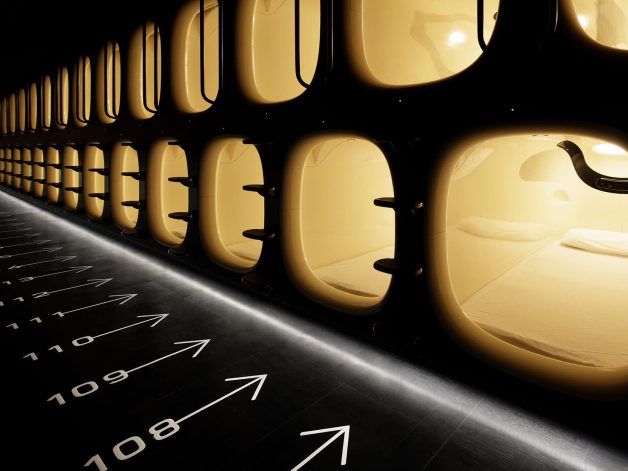
9h nine hours Narita AirportCapsule hotel · the only lodging inside the airport
Sleeping pods on the basement level of the Terminal 2 parking structure, directly connected to the terminal. Gender-separated floors, communal showers, towels and nightwear provided. Hourly use is available too — roughly ¥3,800 for three hours if you just need a shower and a nap between flights.
Solves the 6 a.m. departure better than anything in Chiba, and it’s a genuine Japanese experience rather than a compromise. Not for light sleepers: this is closest to a very comfortable pod in a terminal.
-
Kuroishi, Aomori
Aomori (AOJ) · about 1 hour from Hirosaki or Aomori
$70–100 / person, both meals

Aoni Onsen — Lamp no YadoMountain ryokan with no electricity in the guest rooms
No power outlets, no TVs, no phone signal. As evening comes, more than a hundred kerosene lamps are lit and that is the only light in the building. Four hot-spring baths — three gender-separated, one mixed and open to the stream — plus hearth-cooked mountain food with river fish and wild vegetables.
The cheapest genuinely unforgettable night in Japan. Books out one to three months ahead. In winter the road closes and it’s a 1.5 km walk from the parking area; the inn provides a sled for luggage.
-
Mount Koya, Wakayama
Kansai (KIX) · about 2 hours by train and cable car
$80–170 / person, both meals · premium rooms higher
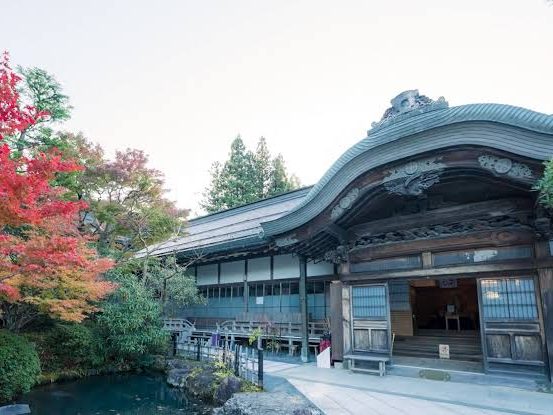
Koyasan temple lodging (shukubo)Around 50 working temples take overnight guests · Ekoin is the best known
Lodging built for pilgrims walking the Kumano Kodo and Shikoku routes. Tatami rooms with futons, shared baths, shojin ryori vegetarian meals served in your room, and guests are welcome at the morning service and the Goma fire ritual. Okunoin cemetery, lit by lanterns after dark, is the reason to stay rather than day-trip.
This is monastic lodging, not a hotel — limited privacy, no locks on the doors, informal 21:00 curfew. Ekoin has the strongest English support; smaller temples like Saizenin cost less and feel less trafficked.
-
Ozu, Ehime (Shikoku)
Matsuyama (MYJ) · about 1 hour
~$385 / night
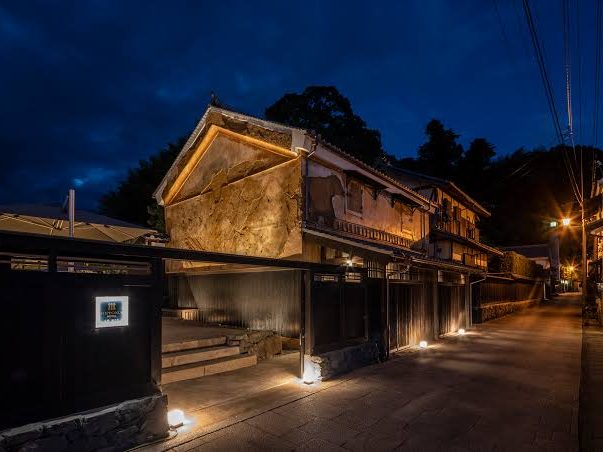
NIPPONIA HOTEL Ozu Castle Town26 historic buildings converted into one dispersed hotel
Rather than a single building, the entire Edo-era castle town works as your lodging — merchant houses and storehouses restored as guest rooms, with reception, dining and baths spread across the town. Ozu is known as the “little Kyoto” of Iyo, and cormorant fishing runs on the Hiji River in summer.
The realistic way to experience Ozu for clients not spending five figures on the castle at the top of this list. Book both and you have the whole town.
-
Hayakawa, Yamanashi
Tokyo (HND/NRT) · free pickup from the nearest station
$400–600 / night, with meals
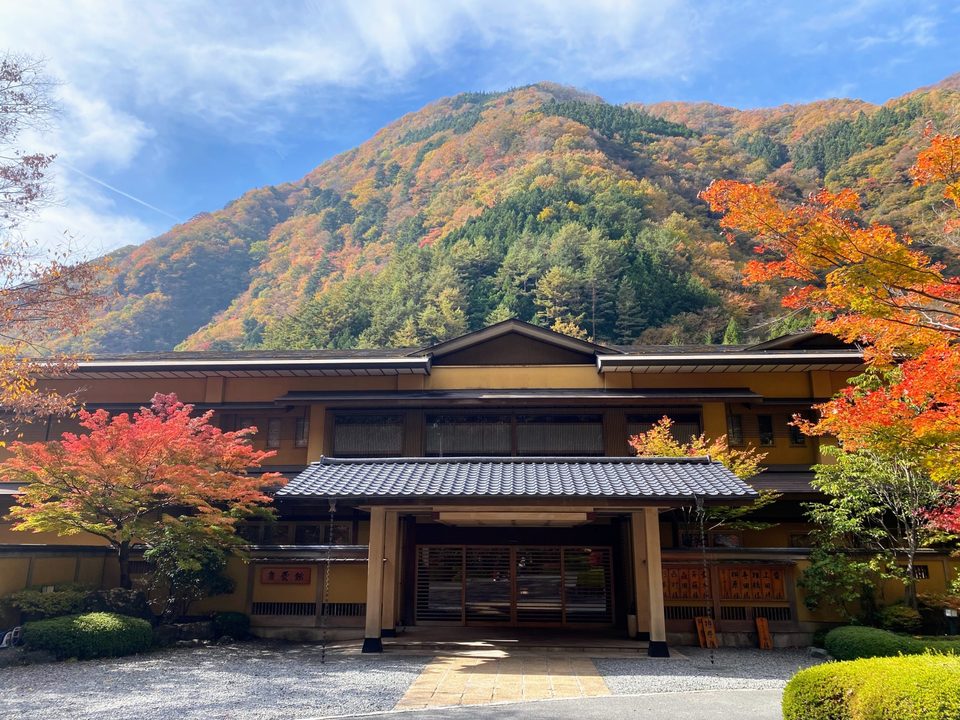
Nishiyama Onsen KeiunkanFounded 705 AD · same family, 52 generations · 35 rooms
Guinness-certified as the oldest hotel in the world, in operation for more than 1,300 years. Six hot-spring baths fed by a source that has run continuously the entire time, and seasonal mountain kaiseki. Deep in the Southern Alps, near the Shizuoka and Nagano borders.
Sold on the number, not the polish — there are smaller, more refined ryokan in prettier and far more convenient places. Clients who want 1,300 years of continuity will not care.
-
Lake Kawaguchi, Yamanashi
Tokyo (HND/NRT) · about 2 to 2.5 hours
$570–850 / night
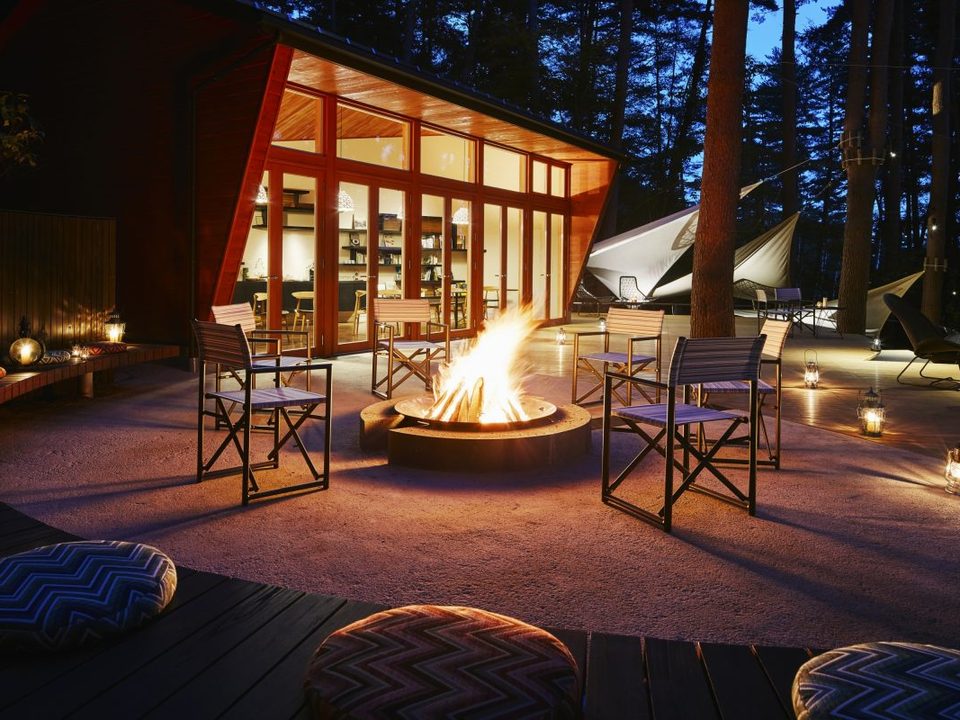
HOSHINOYA FujiJapan’s first luxury glamping resort · 40 cabins
Minimalist cabins built into a forested hillside, each one aimed at Mount Fuji across the lake like a telescope, with a furnished balcony you’ll spend the whole stay on. Wood-fired cooking, Dutch-oven dinners, canoeing, and the Cloud Terrace — stacked wooden decks with open fires and a bar hidden in the trees.
The best Fuji view you can wake up to. Skeptics of the glamping concept tend to be converted within an hour of arrival; skeptics of the price sometimes aren’t.
-
Arashiyama, Kyoto
Kansai (KIX) · 30 min by taxi from Kyoto Station, then private boat
from ¥129,000 · ~$430 low season, $600 typical, $1,350+ in blossom season
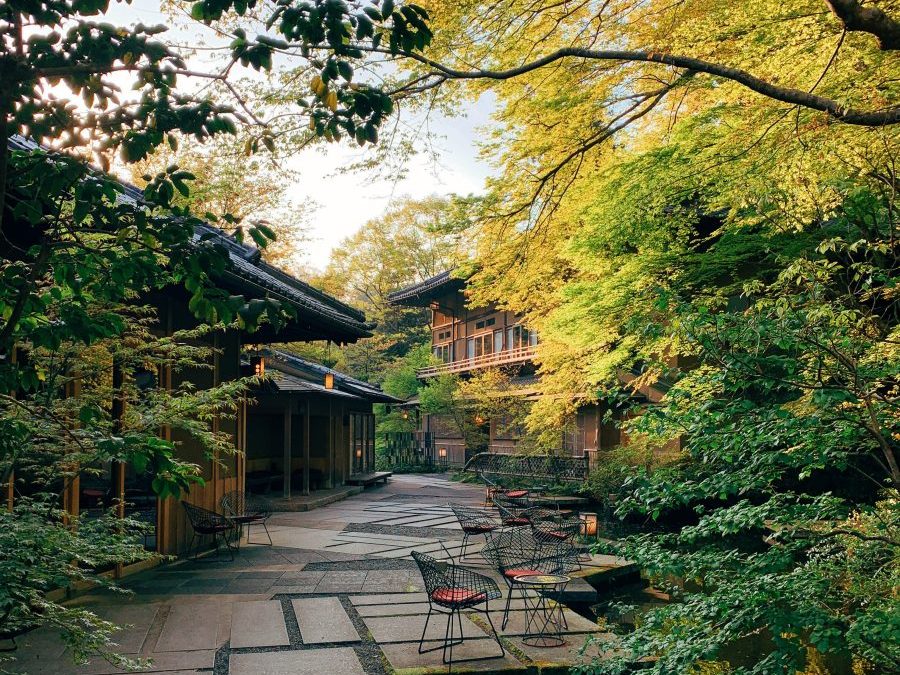
HOSHINOYA Kyoto25 river-facing rooms on a 400-year-old estate · reached only by boat
You check in beside Togetsukyo Bridge, then a private boat takes you fifteen minutes up the Oi River through the gorge to a former merchant’s estate that has been an inn for over a century. Every room faces the water. There’s a private glass-roofed yakata boat for charter, and cormorant fishing viewed from it on summer nights.
A retreat, not a sightseeing base. The shuttle boat stops at dusk and central Kyoto is a boat plus a taxi, so evenings out are awkward — book it for the arrival, the river and the stillness, and put the temple days in a city hotel.
-
Hirado, Nagasaki (Kyushu)
Nagasaki (NGS) · 88 km · helicopter and Fukuoka limousine packages available
from ¥330,000 (~$2,200) room-only · ~¥660,000 with meals and experiences
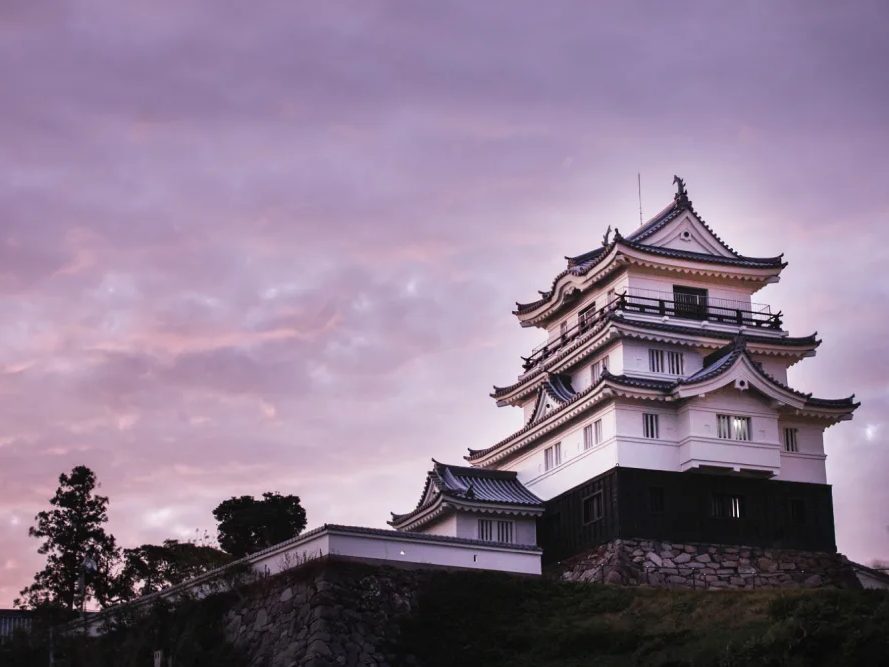
Hirado Castle CASTLE STAY — Kaiju YaguraJapan’s first permanent castle stay · one group per day, up to five guests
A turret of a Top 100 castle, converted into a private residence for the night: about 66 tatami mats of space to yourselves, artwork painted by Takahide Komatsu, and a bathroom glassed on three sides looking over the Hirado Strait and the bridge. The rate includes exclusive use of the top floor of the keep after the museum closes.
Hirado was Japan’s first Western trading port, with two components of the Hidden Christian UNESCO listing nearby. Optional add-ons include samurai tea ceremony, horseback riding on the beach, and a private Hirado Kagura performance. Meals, service charge and experiences are quoted separately from the room.
-
Kagurazaka, Tokyo
Haneda (HND) · under 30 min by car
from ¥500,000 (~$3,300–4,500) for two
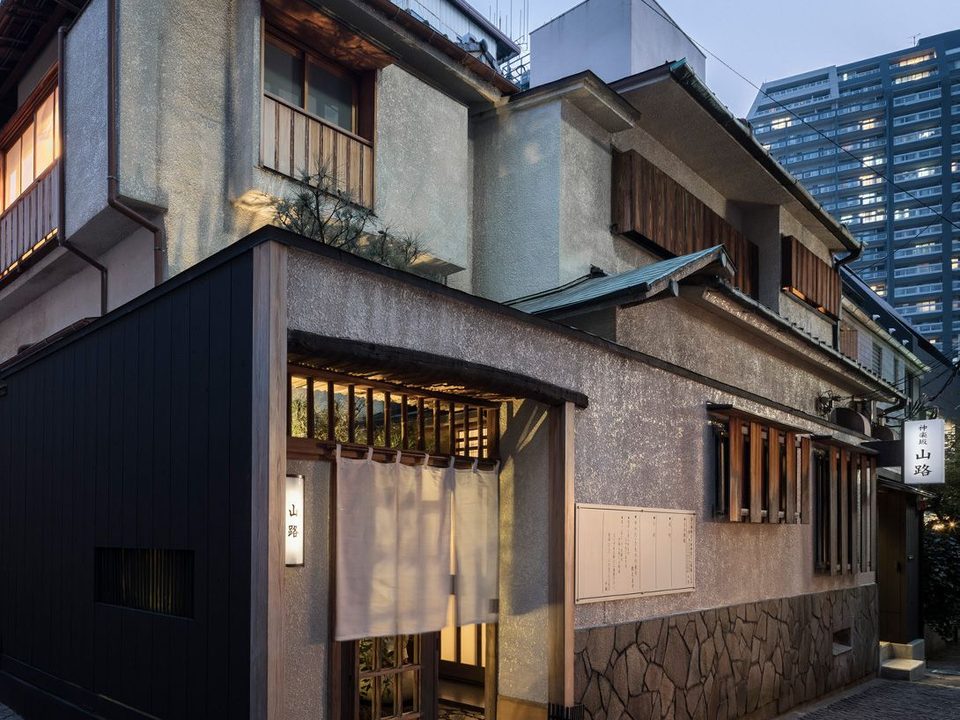
Trunk HouseA 70-year-old geisha practice house · one bedroom, sleeps four
An entire two-storey house in one of Tokyo’s few surviving geisha quarters, taken over by your party alone. Private butler and private chef, meals whenever you want them, a cypress soaking tub big enough for four, a tea room, a courtyard garden — and behind a padded leather door, a neon-red room billed as the world’s smallest disco.
The most Tokyo thing on this list, and a strong milestone-anniversary or small-group sell. Kagurazaka’s stone alleys and ryotei are the reason to walk out the door.
-
Ozu, Ehime (Shikoku)
Matsuyama (MYJ) · concierge transport arranged
¥1,100,000 (~$7,000–8,800) for two, inclusive

Ozu Castle StayFirst fully restored castle keep in Japan to take overnight guests · one group per day
You get the whole castle. Arrival at 5pm, after it closes to the public, begins with a re-enactment of the 1617 procession of Kato Sadayasu, the first lord of Ozu — townspeople as gun-salute squad and banner bearers, a conch-shell horn, and your announcement as lord of the day. Then armour and kimono dressing, horseback riding, dinner, and a bedroom on the ground floor of the four-storey keep, rebuilt in 2004 from 350-year-old Kiso cedar. Breakfast is at Garyu Sanso, a Meiji-era villa in the Michelin Green Guide, closed to everyone else that morning.
Operates roughly March to November, about 30 nights a year, couples and small groups only up to six. Book a year out and build the Shikoku itinerary around the date, not the other way round.
Two castles, thirty nights, one group at a time
Ozu takes about 30 bookings a year and Hirado one group a day. Neither is something you find on a booking engine in March for May. The same is true further down the list in a quieter way: Aoni Onsen fills one to three months out and takes reservations by phone in Japanese, the best Koyasan temples with private baths sell out first, and Hoshinoya Kyoto’s river-facing categories differ more than the photos suggest.
We book these direct, in the right season, with the transport and the experience options attached — and we’ll tell you honestly which ones justify the rate for the way you travel. Tell us your dates and how far off the usual Tokyo–Kyoto line you want to get.